With a powerful voice liquefied in soul, flavoured with RnB and packaged in pop, Rachel Jane is one of the most talented and inspiring young artists I have had the pleasure to come across in recent times. Having been reminded of her vocal quality during the Big Church Day In, I was delighted to hear that she was about to release a brand new EP. Now more than ever we need music that inspires, and Hustle & Hope does just that. Written at a time when she was ‘working hard and working late’ instead of being able to pursue her creative dreams as a singer-songwriter, her message is simple: don’t let the frustration of circumstance curtail the gift of creativity. Rachel Jane seems to have achieved this here, using her testing times as part of a process of inspiration for a set of songs that are catchy both lyrically and musically.
Her sound is very reminiscent of Dua Lipa and Mabel, though there is something about it that gives it a slightly different edge to that of these mainstream artists. I cannot quite put my finger on what that is, other than to observe some unexpected breaks and shifts in tone within each song that detail a level of intricacy which keeps the listener attentive throughout. The lyrics are also striking, their prominence at the forefront of every track suggesting a degree of influence from Nashville, where the EP was made. The record itself sits on the very outer edges of modern country, where the genre’s penchant for storytelling meets the commercial appeal of pop and RnB. Rachel Jane may not have deliberately positioned herself here; but she sits rather comfortably in this space nevertheless. Add in a bit of rap from the likes of Marc Jones (on ‘Working Hard’) and Joshua Luke Smith (on ‘My Way’) and it seems that straddling various genres comes naturally and is what produces such a likable and intriguing sound.
Hustle & Hope is a positive, life-affirming EP that speaks about life as well as to it. It acknowledges the hardship and frustration of the everyday but brings a message of hope that invites us to take on a different perspective and ‘find a way out of misery’. It is an uplifting soundtrack, perfect for the start of summer.
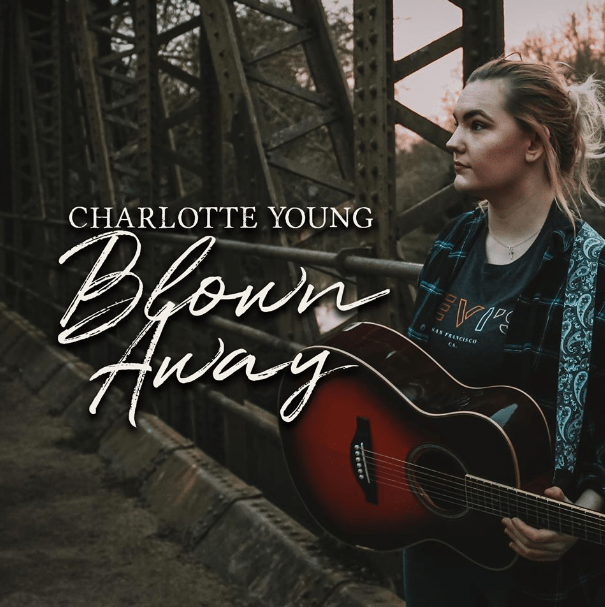
The first thing that strikes me about Charlotte Young’s EP is how American it sounds. The production on Blown Away is so identifiable with the kind of modern country coming from across the pond that one could easily think she is part of the US scene. It is only a recognisably British accent that gives her away. This voice is a mix of punkish attitude and pop-infused delivery which lends itself particularly well to the first two songs on the record. Delivered with real confidence by Young, ‘Whiplash’ and ‘Blown Away’ sweep out of the speakers, fully embracing the listener with their all-encompassing sound. Having grabbed their attention, Young then melts into the poignant ‘Half a Bottle’, exposing her vocals to a more vulnerable atmosphere. Stripped back and laid bare, it doesn’t quite have the emotional impact that I would expect. But this lack of connection is quickly made up for in ‘Passenger Side’. It may be your standard country-pop fare, yet there is enough heart and soul in the storytelling to make this an enjoyable finale to the EP. By this time, Young sounds much less American and more evocative of the likes of fellow Brit Vic Allen. What this suggests to me is an artist who loves mainstream US country but is unashamedly British. Blown Away combines the two, and announces Charlotte Young as an exciting prospect on the UK scene.
Sundays have been proving to be quite makeshift for me as a Christian, dipping into different services each week to check out what different churches are doing and how they are managing to connect and engage with people online. This Sunday was no different, though my focus turned from the weekly service to an annual event. Big Church Day Out is a popular Christian music festival normally taking place in a big field over the Bank Holiday weekend. But of course, this year, the normal has not been possible. Rather than cancel however, they decided to present their ‘Big Church Day In’ on YouTube, featuring an array of music and spoken word artists from across the spectrum. And it did not disappoint, proving to be an uplifting, inspiring and eye-opening afternoon.
Having had my country music fix the day before via Buckle & Boots virtual festival, it was great to find Our Atlantic Roots continuing that vibe with some wonderfully wistful folk-Americana to kick things off. Former Fame Academy judge Carrie Grant then gave us a heartfelt song full of soul before Tom McConnell brought a lovely bit of RnB acapella in a cleverly constructed video. One of the great things about these online events is seeing the ingenuity that goes into the creation of videos. And after Tom’s effort, both IDMG Gospel Choir and King’s Chamber Orchestra also utilised technology to bring us what is now a classic Zoom performance of the various members performing together in unison. Cathy Burton then performed her song ‘I Get to Know You’ before Mister Keith subtly combined a mix of genres to create a really interesting sound on ‘Dig a Little Deeper’. Ruti delivered a really interesting version of ‘He Lives in You’ from The Lion King, the stripped back nature of the track unveiling fresh meaning in the words that I had never noticed before. The Brilliance followed with an inspired tune that lifted my eyes to the skies before Sarah Letor encouraged them back to the screen for a song with a really nice beat. We then returned to the country genre to finish, first with a delightful track from Philippa Hanna that couldn’t fail to raise a smile, and then The Abrams, who knocked it out of the park with the fiddle-heavy ‘Sounds Good to Me’.
The second hour, hosted by Lindz from LZ7, may not have been my personal cup of tea in terms of music, but it still featured some really talented artists with a penchant for clever and inspiring lyrics. For example, the chorus to Faith Childs’ ‘Ricochet’ was well worth a listen, whilst ‘Discrepancy’ by Soul Box was first-rate. Beyond the rap/RnB that was mainly presented in this hour, I did discover a great indie pop band by the name of Paradise Now, hailing from South Wales. And it was great to see Lily-Jo among the line-up, someone who always brings such deep encouragement and inspiration through her songs, helped in part by her incredibly soulful voice.
Hour three brought us some unplugged tracks from a selection of really talented young artists. Among them was Joe Baxter, who kicked things off with the hauntingly beautiful ‘In My Blood’. Jennifer Kamakazi followed with a lovely blend of folk, pop and RnB in a song that made you feel every single word. Meanwhile, Dani Miche needn’t have worried about releasing her new song ‘The Wilderness’ into the world. It was excellent and showcased her brilliant talent. Elsewhere in this hour, Ellyn Oliver delivered a song that created an awesome atmosphere around it; and Rebekah Fitch produced a powerful blues performance whilst sat at the piano in her living room. It was also great to hear Rachel Jane again, having first come across her last year at Naturally Supernatural. This lady has immense talent, as proven in her chosen song for this festival, which featured a brilliant bricolage of different genres and styles. With a new EP out next week, Rachel Jane is definitely set for bigger things.
The Spoken Word “stage” led to a truly inspiring hour of poetry, with new work written specially in lockdown alongside older pieces that took on fresh resonance in light of the current situation. Hosted by Dai Woolridge, it featured the incredibly powerful ‘Becoming Human’ by Joshua Smith and ‘Quiet Be Still’ by Aimee Picton to start. Storm Cecile then brought us a poem delivered in the style of a Presidential Address that cut through sharply, both politically and culturally. Laura Darrall’s ‘The Driver’ was a complete gut punch, reducing me to tears by the end. Meanwhile, Haydn delivered for me the most memorable line of the day: ‘We are made in your image, so our heart is restless until it rests in you’. So beautiful and true. And Sophie Thakar was chosen to close this section of the festival with a performance that exemplified the dual mix of complexity and simplicity found in poetry. How these guys condense such thick subject matter into a few short lines leaves me in awe every time.
Following on from this was a time of sung worship, in which the likes of Lucy Grimble, King’s Village and Tim Hughes succeeded in bringing a calm air to proceedings which was perfect in the late afternoon sun. As someone who has had a difficult relationship with “worship songs” in the past, I think what I found most encouraging about this hour was the sheer number of original songs being performed by these artists. In our churches, so much of the musical output seems to follow one of two patterns: either all the hymns predate this millennium, or all the songs can be attributed to one or two megachurches. This doesn’t automatically make them bad. But when we hold so tightly to tradition or become so invested in capitalism that we forgo the opportunity to empower our own musicians with the resources, support and encouragement to write and perform their own material, I think we lose something valuable. That is why I found it so refreshing to find so much individual creativity being expressed here on screen.
Big Church Day Out seems to have found the right balance between giving a platform to new artists and presenting established ones. It was the latter that were on show for the final part of the day. The Main Stage featured some very familiar faces, not all of which I was able to see due to its teatime slot. Of those that I did manage to catch, Lin D were definitely a highlight, perhaps because I’m a sucker for close harmonies, which the two leading ladies had in abundance. Kim Walker-Smith was her blisteringly brilliant self, bringing plenty of pizazz to ‘More Than Enough’. Rend Collective were in a very reflective mood with their contribution, as were Hillsong United, whose song ‘Oceans’ never fails to produce a tangible presence in the room. Matt Redman was the man tasked with bringing the curtain down on this soul-enriching day, ‘We Praise You’ being suitably stirring, as the raft of comments that began appearing beside the video testified.
The ‘Big Church Day In’ certainly succeeded in its endeavour to recreate the festival atmosphere, bringing together artists from across the spectrum, all bound together by their faith. It is understandable that the organisers (and regular attendees) will be eager to get back to normal next year with the usual set up. But I hope that they also consider doing something similar online for those, like me, who would have struggled to get to the physical thing. This was an event that was readily accessible to anyone with an internet connection. That’s one of the great advantages of this increasingly virtual existence. But whether it returns online or not, I really appreciated spending another day in isolation with this for company.
To find out more about The Big Church Day Out click here.
Let’s hope the spirit of George Williams lives on. For the founder of Christian social organisation YMCA could be speaking directly into the current zeitgeist. More specifically, his concern for the welfare and rights of ordinary workers in 1844 sounds fairly familiar to some of the observations arising out of the coronavirus crisis in the UK. Originally filmed in 2018, Saltmine Theatre may not have intentionally predicted that Soul in the Machine would strike this sort of chord two years on. But it certainly has a prophetic resonance now.
Much has been made of the poor pay and often inadequate equipment and working conditions of those who have come to be defined as ‘Key Workers’ during this pandemic. These issues existed way before the current crisis brought them firmly into the light. But they were only ever marginally and infrequently talked about in relation to the gig economy and government austerity. It seems that our consumer capitalist society was still quite happy to continue trundling along the lines of economic inequality. Until the coronavirus and subsequent lockdown restrictions brought everything to a major halt. Suddenly, those in the lowest paid and least valued roles were recognised as essential in the provision of our most basic needs and necessities. Those who were looking after our most vulnerable and at risk became our most important assets. They had been overlooked for so long. Now, they are uppermost in our thoughts. George Williams recognised this in his own context. Contending with the gruelling demands brought on by industrialisation, he sought to argue against the stresses and strains felt by his fellow workers in the name of productivity and profit. His determination to not only make life better for young working men but to provide them with an education and spiritual nourishment led to an organisation being formed that, still today, seeks to inspire, speak up for, and transform communities.
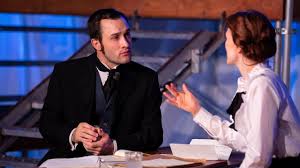
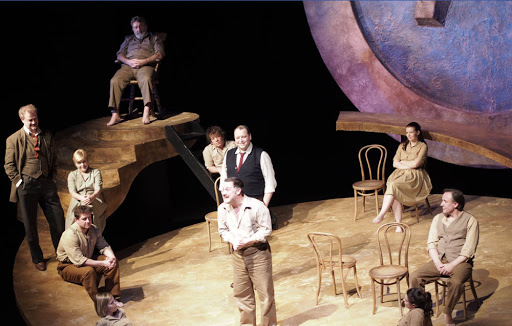
Such a huge feat, spawning from a humble vision, is perhaps what inspired Ben Kessell to play the main man with such animation and decency. He takes on the dual role of protagonist and narrator, ever active on stage as the show takes us through the story of George Williams’ life. He is joined by a fine cast of supporting characters on a fairly plain set that reminds me of the National Theatre’s 2015 production Jane Eyre. As a result, the actors have a degree of flexibility and physical improvisation as they travel across the wooden platforms, injecting liveliness into a narrative that moves swiftly along until the final fifteen minutes. Then, a defining dialogue between Williams and journalist Julia Davies (Alys Williams) exposes brilliantly the motivations, values, and beliefs that the former holds so dear. It is a well-constructed, excellently-argued, inspired piece of theatre that is worth listening to on repeat. Not least because it speaks into our situation today.
We can learn a lot from George Williams. His vision brought lasting change and provoked positive action, first among the workers of Georgian London, and then beyond. Soul in the Machine can be a stimulus for us to reach for the same. A proper debate needs to be had about the longer term policies that continually undervalue the very people who at this moment are working on the frontline. Platitudes such as applauding the NHS, now a Thursday night ritual, are all well and good. But, like the hymn and few words that mark the passing of Morse, a character whose illness stems from his poor working conditions, it does nothing to challenge the systemic inequalities that led to his death in the first place. The institutional structures that contributed to the problem remain in place.
It feels like we are at a moment when real change could be possible. We may be hankering after some kind of ‘normal’. But it would be a mistake to return to the same. George Williams wanted to build something better. Soul in the Machine can make us believe that we can too.
Soul in the Machine is available to watch on YouTube for free until Wednesday 20th May 2020, and can thereafter be purchased here for a small donation.
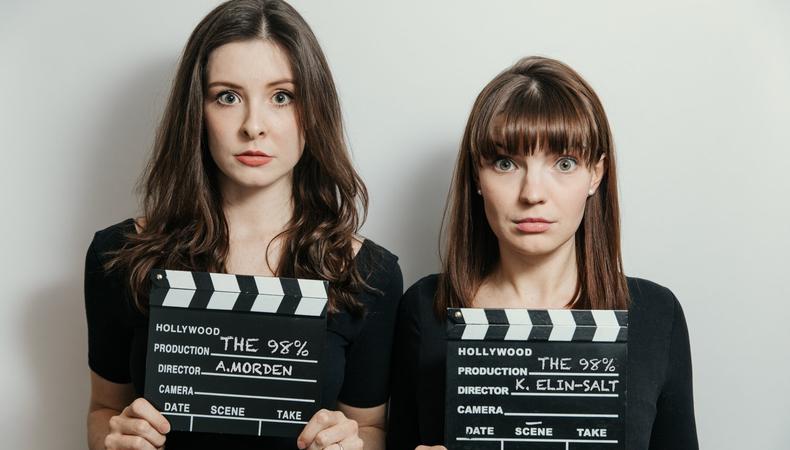
In Alexa Morden and Katie Elin-Salt are two actors determined to change the industry. Through their excellent podcast ‘The 98%’, they give a warts-and-all account of what the #actorslife is truly like. It is an insight that will prove particularly valuable to recent graduates; and for other creative types like me there is plenty to learn from and to relate to. More than anything, it brings a new-found respect for those pursuing this most fraught and fragile of “career” paths.
The creation of Hers by Alexa Morden springs in part from the difficulties of the jobbing actor. For anyone already familiar with their podcast, the idea of acting as a full-time profession is a distant dream for most. Thus, in response (and to quote Morden), ‘When the industry isn’t giving you lemons… grow your own oranges’. The result is this short film that is fresh, fragrant and ripe for watching.
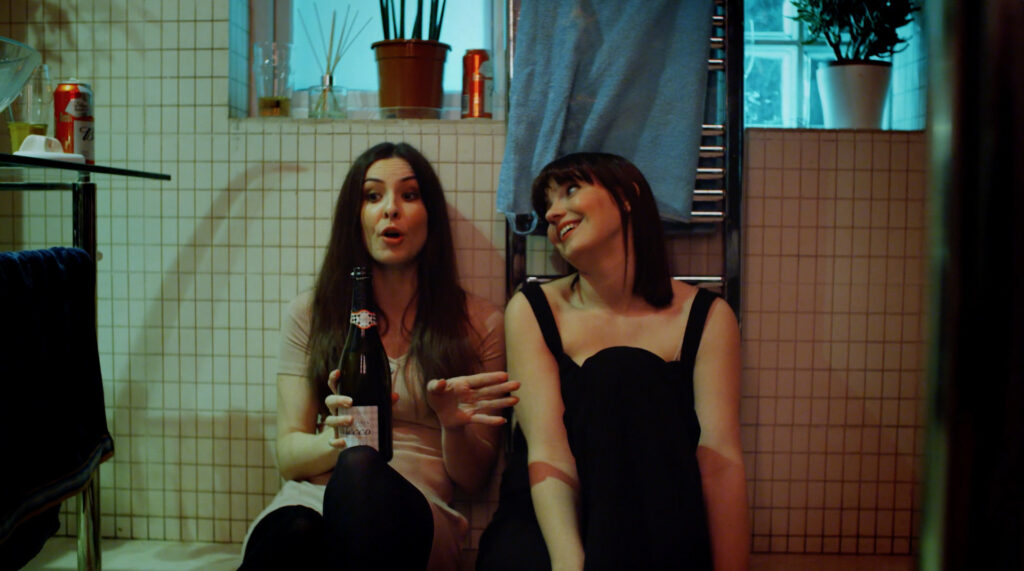
Morden stars as Beth, a young woman who happens upon kindred spirit Laura (played by Elin-Salt) in the bathroom of a house party. They hit it off immediately through a conversation about online dating apps, soon finding themselves acquainted with one another on the tiled floor. What follows is a wonderfully frank scene, featuring full frontal dialogue that is smart, witty and well-polished. Some may consider the so-called ‘X-rated’ content here as being too much. Some would argue that it has been pulled straight from the Fleabag Scriptures. In either case, Hers feels fresh and raw (in spite of the ordinariness of its characters and its mundane setting) suggesting that such explicit conversation around women’s sexual experiences remains rare onscreen.
I would expect nothing less from its two stars however, who to some extent play versions of themselves here. Their no-nonsense, tell-it-like-it-is approach to their podcast is reflected here in the casual flow with which this duologue is delivered. The film benefits greatly from their off-screen chemistry, which makes the friendship that blossoms between their characters onscreen all the more believable. They are well-suited, with Elin-Salt’s strong South Walian phrasing and expressive movement providing a nicely-balanced contrast to Morden’s softer tone and sharply defined actions. They have the makings of a very entertaining partnership. In the real world, of course, this is already a reality. But there is also something about these two characters that, at the end of the film, makes you want more of their company.
This may be a one-off piece. But Hers has the potential to be something much bigger.
Don’t get me wrong. The first two episodes of Normal Peoplewere beautifully-crafted, and I am looking forward to watching the rest of the series. From this initial glimpse, I can see why it has received such high praise from critics and viewers alike. Whilst this show has been taking all the plaudits however, another BBC3 commission has been quietly going about its business. In My Skin may not have been given a privileged primetime slot on BBC1, but I would argue that its voice has been no less powerful than that of its highly-acclaimed stablemate. The series has just come to an end, hanging on a somewhat explosive cliffhanger that suggests a second series is already confirmed. If so, it is hugely deserved.
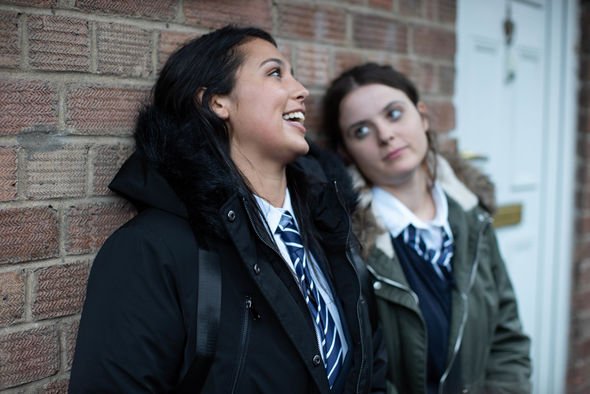
In My Skin has been misunderstood in some quarters as being about popularity. I don’t believe that to be the case. In the main character of Bethan (Gabrielle Creevy), I found someone not wanting fame or even attention. In my eyes, she simply wants to be liked. As a result, she spins a web of lies surrounding her family in order to paint her life as an alternate reality wherein everything is “normal” and she is “ordinary”. She tells these lies to Poppy (Zadeiah Campbell-Davies), an archetypal Miss Popular, not because she desires to be with the in-crowd. It is not status that Bethan seeks but a relationship. She fancies Poppy. Part of this coming-of-age drama is the exploration of one’s sexuality. This is done with such gentle understatement as to capture a truth very rarely seen in fictional portrayals. The heterosexist narrative that presents same-sex attraction primarily (only) in terms of the closet is instead replaced here with a delicate acknowledgement of her sexual orientation. It is neither a problem nor a revelation; a source of pride nor of shame. It just is. And there is something quite beautiful and refreshing about that.
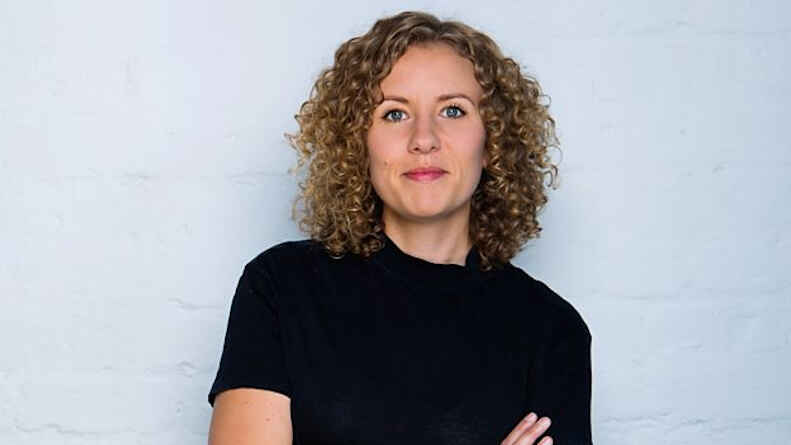
Some people may sigh at the thought of another teen-focused drama. Yet In My Skin places a spotlight on a corner of the world still underrepresented on television. Writer Kayleigh Llewelyn has talked about ‘wanting to recreate accurately the Wales we knew’. She has praised the likes of Ruth Jones (Gavin & Stacey, Stella) for capturing the ‘warm, broad characters’ of her homeland whilst taking this further, into the realm of traditional kitchen-sink drama, presenting ‘the grittier side’ found in the nation’s working-class communities. For all that I have delighted in the TV dramas emerging from Wales over the last decade, I must concede that most of these shows have been middle-class in nature. In My Skin takes us to the coalface, as it were; to life on a typical semi-urban street on a Welsh council estate. It doesn’t shy away from the challenges of Bethan’s home life, but it is also shot through with plenty of humour. Her dad (Rhodri Meilir) is an alcoholic; her mum (Jo Hartley) bipolar. In her Nan, played wonderfully by Di Botcher, Bethan finds a warm, witty and supportive companion. Hers is a world that is very rarely seen, yet represents for many an everyday reality. This is what the BBC, when it works, does best. We take it for granted at our peril.
Kayleigh Llewelyn
The relationship between Bethan and her mum is the pivot on which the series rests. Hartley is astronomical in her representation of bipolar disorder, giving a performance of such magnitude as to believe she was the real deal. It shows in the accuracy and detail of her portrayal that she has taken on board everything that Llewelyn sought to put across of her own experience. For her part, Creevy presents an inner strength to Bethan that both masks an underlying fear and grows out of a persistent love for her mother. She reflects the vulnerability of her character at the same time as drawing out a steely determination within her. In their relationship, we see the pain, joy, frustration, anger, humour, and love that bind them. It is harrowing, heart-rending, and inspiring. It is what makes the series tick. But like many of its fellow comic-noirs (Fleabag chief among them), its supporting cast are so well-rounded as to add pungency to the show’s centripetal force.
In My Skin is a complete and utter triumph. It deserves major plaudits too.
In the third part of my showcase series for Get the Chance*, I thought I’d share five of my favourite Theatr Clwyd shows in conjunction with their #TCTogether project.
Under Milk Wood
I have this production by Terry Hands to thank for falling in love with theatre in the first place. On a cold February night in 2014, I sat on the end seat in the front row of the Anthony Hopkins theatre and was transported to the wonderful world of Dylan Thomas’ famous drama. It featured an excellent cast of Welsh actors whose delivery of the language created a very vivid experience. I can still see the character of Polly Garter (Katie Elin-Salt) under intense spotlight, transfixed by her plaintive tones as she sang of lost love. A true ‘conversion’ experience for me.
Junkyard: A New Musical
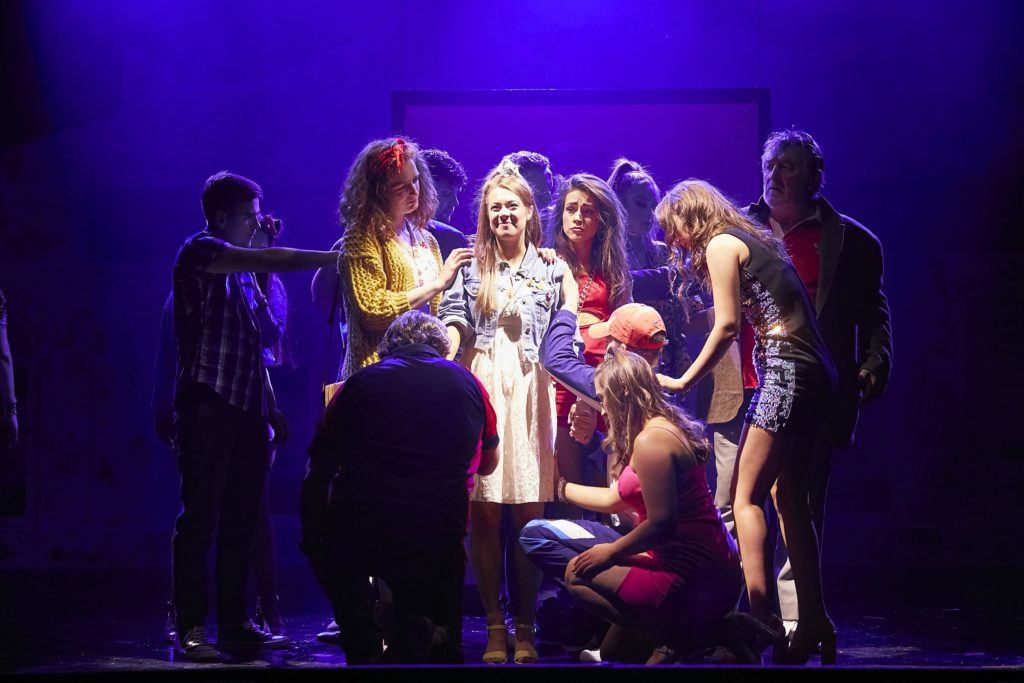
Writer Jack Thorne has gone on to critically-acclaimed success with TV dramas like The Accident. This play came hot on the heels of the first in his National Treasure trilogy, and was every bit as good. Set in an adventure playground, it featured a rowdy group of teenagers led by the outspoken Fiz (Erin Doherty). Doherty led the company brilliantly, giving a pitch-perfect performance in a production that used lighting and music to brilliant effect. Emotive and funny, it shone a light on the overlooked corner of an urban landscape.
The Importance of Being Earnest
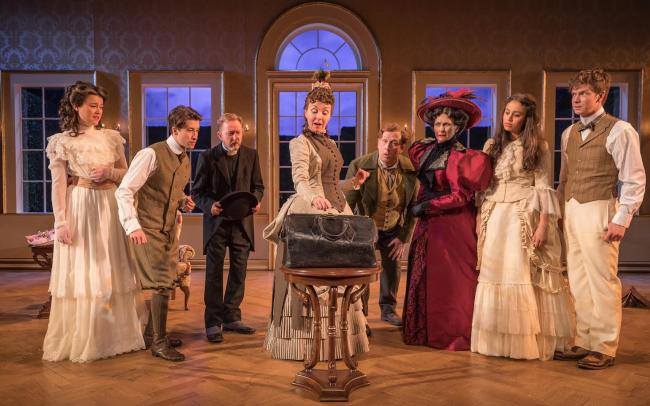
Anyone who has witnessed the annual Rock ‘n’ Roll pantomime will know that the costume department at Clwyd are a talented bunch. They excelled themselves with this production however, with costumes that were every bit as colourful as the spectacularly rich scenery. Oscar Wilde’s already witty script was brought to life hilariously by the physicality of actors Matt Jessup and Nick Harris in particular. Brilliantly funny, I don’t think I’ve ever had so much fun in a theatre.
Home, I’m Darling
Deservedly winning awards (Best Comedy among them), Laura Wade’s critique of nostalgia and domestication was a beautifully-constructed, well-acted and aesthetically-glorious piece. The bold and impressive scenery – effectively a life-size doll’s house – would have been enough to bowl you over. Thankfully, the acting talents of Katherine Parkinson and Richard Harrington, clearly in their element, brought plenty of humour and vulnerability to their lead characters. It made for a highly original, thoroughly enjoyable play.
Pavilion
I loved this play. Playwright Emily White’s debut is a modern Under Milk Wood, casting a sharp, satirical and dark eye on life in small town Wales. It featured an incredible array of performances from established actors and upcoming talent alike. The true genius of this production was in its realism; the way that White created drama out of the everyday and mundane. The cast brought it to life superbly. I cannot wait for it to be revived for the stage again already.
What are your favourites? Share them using the hashtag #TCTogether, where you’ll also find lots of creative ideas to do during lockdown @clwydtweets.
*Originally written for Get the Chance on 24th April 2020.
Continuing this series for Get the Chance, here I select my top five Welsh TV dramas of the last decade. They are not necessarily chosen on the basis of popular appeal or critical acclaim. Instead, this is a personal list from which you are free to agree or disagree entirely. Let me know your thoughts…
Baker Boys
Broadcast in 2011, this series was my first proper encounter with Welsh TV drama. Set in a tight-knit community in the South Wales Valleys, it focused on the impact of the economic recession on its population, many of whom suddenly find themselves unemployed when the local bakery goes bust. Timely and relevant, Gary Owen & Helen Raynor’s series featured a who’s-who of Welsh acting talent, with Eve Myles (Sarah) and Gareth Jewell (Owen) heading up efforts to save the company and make it work as a co-operative.
Hinterland (Y Gwyll)
Starring Richard Harrington and Mali Harries, this crime drama was one of the first to find broad appeal outside of its nation’s borders. Running for a mere twelve episodes, Harrington played DCI Tom Mathias, a man whose troubled soul was reflected in the bleak and desolate landscape of its setting. In fact, the wild and mountainous terrain of Ceredigion was such that Hinterland/Y Gwyll was labelled as the original ‘Welsh noir’ (after Nordic counterparts The Killing and The Bridge).
Keeping Faith (Un Bore Mercher)
When I sat down to watch Un Bore Mercher on S4C in 2017, I could not have imagined how big it would become. After its English-language version Keeping Faithwas subsequently broadcast on BBC Wales, it became such a hit on iPlayer that it landed a prime-time slot on BBC1. The reason for its immense popularity was largely down to the juggernaut of a performance given by Eve Myles. She put in an emotionally-raw turn as lawyer Faith Howells, whose husband Evan goes missing, leading to the uncovering of a host of secrets that cast doubt on how well she really knew him. Myles deservedly won a BAFTA for her immersive portrayal.
Parch
Ok, so maybe I’m being a bit biased here, but despite the fact that I have a soft spot for TV vicars, this surrealist drama was still a hugely enjoyable and well-written series. I may have tuned in initially to follow the crazy and chaotic life of the show’s protagonist, the Reverend Myfanwy Elfed (played wonderfully by Carys Eleri), but I stayed because of the strength of the supporting cast. Writer Fflur Dafydd is masterful in creating well-rounded, fully formed characters, the effect here being a show that was full of heart.
Hidden (Craith)
Series one of this crime series featured standout performances from Rhodri Meilir (Dylan) and Gwyneth Keyworth (Megan). Series two brought us another excellent performance from rising star Annes Elwy (Mia). Holding it all together are Sian Reese-Williams and Sion Alun Davies, who play detectives Cadi John and Owen Vaughan respectively. They are chief investigators in storylines that reveal the killer early on. But this makes Hidden/Craith no less gripping, perhaps because of its intense focus on the personal lives of all its characters.
And I haven’t even mentioned Bang, 35 Diwrnod/35 Awr, Gwaith/Cartref, Alys…. Are there any others you can think of? What are your favourites?
*Originally written for Get the Chance on 19th April 2020.
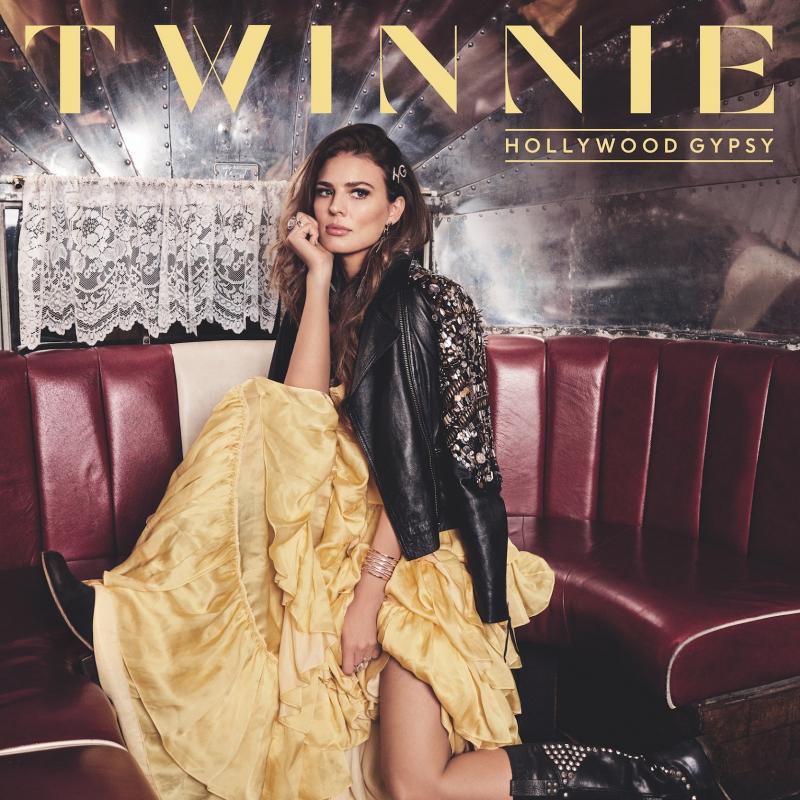
Instagram informed me that Twinnie was going live. It was an album launch party with a difference. With a sofa instead of a stage, and an audience loud with comments instead of cheers, the release of Hollywood Gypsy was being celebrated with a long since opened bottle of wine. Not quite the occasion she had in mind I’m sure, but an insightful tour through the album’s songs nevertheless. And what a set of songs they are. Each one is a hit record in its own right. Twinnie has really laid herself bare, pouring out heart and soul to create something that is deeply personal yet universally relevant. ‘Type of Girl’ feels like the perfect song to open up the album in this sense, for it displays the complex and often contradictory emotions that make for “the impossible job of loving me”. Twinnie spells it out immediately, pulling no punches with her honest and raw lyrics that continue into ‘Better When I’m Drunk’ and ‘I Love You Now Change’.
After ‘Chasing’, which continues the theme of romance and relationships, Twinnie then turns inward, to herself, with a title track that is simply spellbinding. Telling her story of “grow[ing] up in between two worlds”, she explores identity and family in such a compelling way, exuding a confident clarity that is captured most sharply in the final notes of a rousing chorus. ‘Superhero’ then turns the reflective mood up to ten with a sharp and shrewd commentary on the nature of love. Here, as well as in hit single ‘Social Babies’, which follows, Twinnie displays the kind of wisdom many of us can only dream of possessing. Her social commentary on our relationship with social media is particularly resonant, wrapped up in a catchy chorus that sticks in your head long after it’s finished.
‘Daddy Issues’ is without doubt the most country-sounding record on an album that is heavy on pop production. It doesn’t feel out of place though, perhaps because it continues the strength of storytelling and lyrical prowess to be found throughout this album. This is exemplified for me in a line from ‘Lie to Me’, a pure ballad that includes this gem: “Stare at the stars upon the roof/ While we dance around the truth”. Soaked in Twinnie’s captivating vocals, it is simply gorgeous. In fact, the whole album is. You would be hard pressed to decide on a favourite tune. As Twinnie herself admitted, it is like asking to choose between your children. Each one is different; each is special. We may not be able to share in the experience of a live set right now. But make no mistake – Hollywood Gypsy will still have listeners dancing around their living room. A very special debut album.
You can purchase Hollywood Gypsy here, or stream it on Spotify now.
Here at Get the Chance, with opportunities to respond to live cultural events curtailed by the current crisis, it presents an opportunity to showcase talent instead. As country music is one of my greatest loves, here’s my shout-out to five Welsh artists who are worth checking out…
Rosey Cale
To many, Rosey may be more familiar as a musical theatre actress, having starred most notably in Theatr na Nog’s production ‘Eye of the Storm’. However, she is also a talented songwriter, having released a series of singles which have all been very well received. What marks her music out is the vulnerability and honesty in the lyrics, which are often surrounded with an infectious pop-inspired sound. Her ‘Sunday Covers’ on YouTube are well worth checking out, with this one being a particular favourite of mine:
Eleri Angharad
On her website, Eleri’s biography states that she ‘blends traditional country music storytelling with catchy pop melodies’. Listening to her debut album ‘Earthbound’ though, I would say that she has also been influenced (whether consciously or not) by the folk music of her homeland too. It is the eclectic nature of her sound which makes the Swansea-based artist stand out from the crowd. Her single ‘Smokey Steel Lights’ is a case-in-point:
Megan Lee
For someone so young, Megan Lee has achieved an awful lot. Despite still being in school, this Wrexham-based artist is somewhat of a veteran musician, having already released a number of records as part of her family band Blue Genes. Now branching out as a solo artist, this girl has a very bright future ahead of her. Inspired by the likes of Alison Krauss and Cam, this original song is evidence of her burgeoning talent:
Bryony Sier
A prolific guitar picker, an inspired songwriter, and a versatile musician, Bryony is fast drawing the attention of many in the music industry. I loved her early stuff, infused with old-school Cash-inspired gospel, but her recent pop-produced singles retain an acute lyrical honesty that still manages to hit the spot. Check out her latest single ‘Merry Go Round’ to see what I mean:
Shannon Hynes
This Flintshire-born singer-songwriter already has a prolific track record when it comes to UK Country Music #1s. Her talent was recognised most recently at the ‘UK Country Music Spotlight Awards‘ when her single ‘Off Guard’ was nominated for ‘Song of the Year’. Blending traditional and modern country sounds, she may no longer be based in Wales, but she is certainly flying the flag for Welsh country music talent.
*Originally written for Get the Chance on 11th April 2020.



 Kayleigh Llewelyn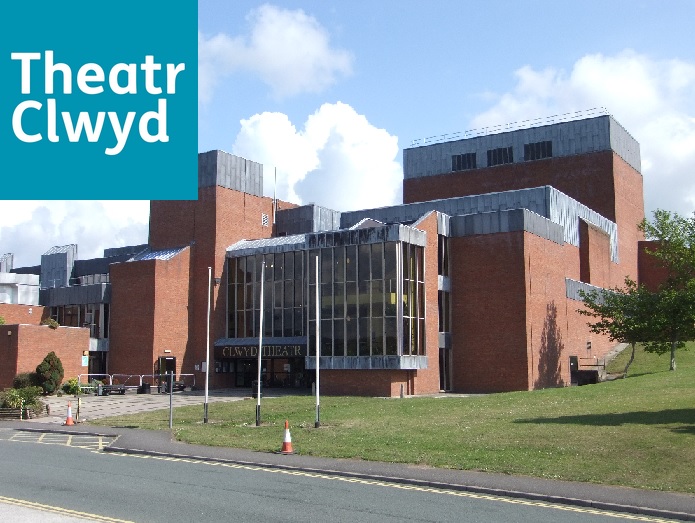

 desperatelylostcity.com